The Lucas Museum of Narrative Art Is Finally Open in Los Angeles
After years of anticipation, the Lucas Museum of Narrative Art has officially opened its doors in Los Angeles.
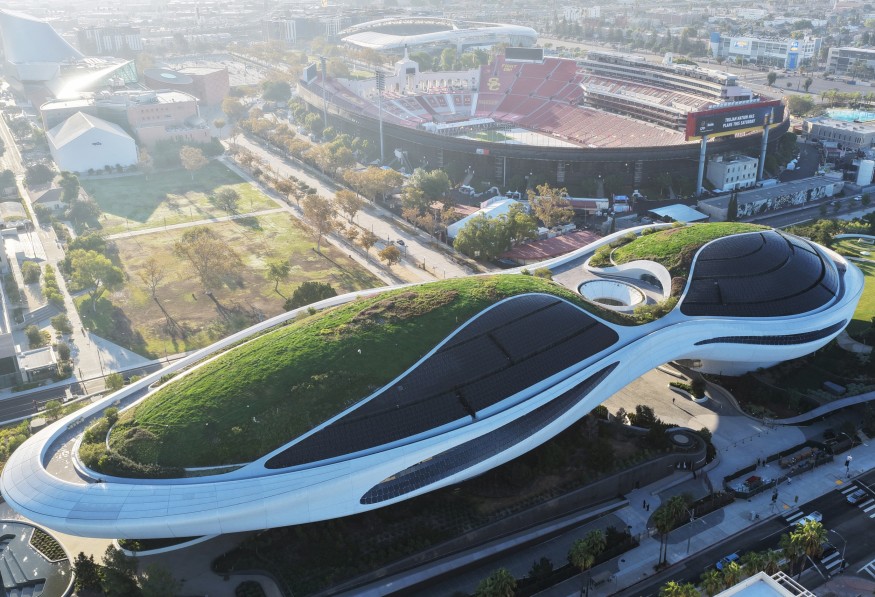
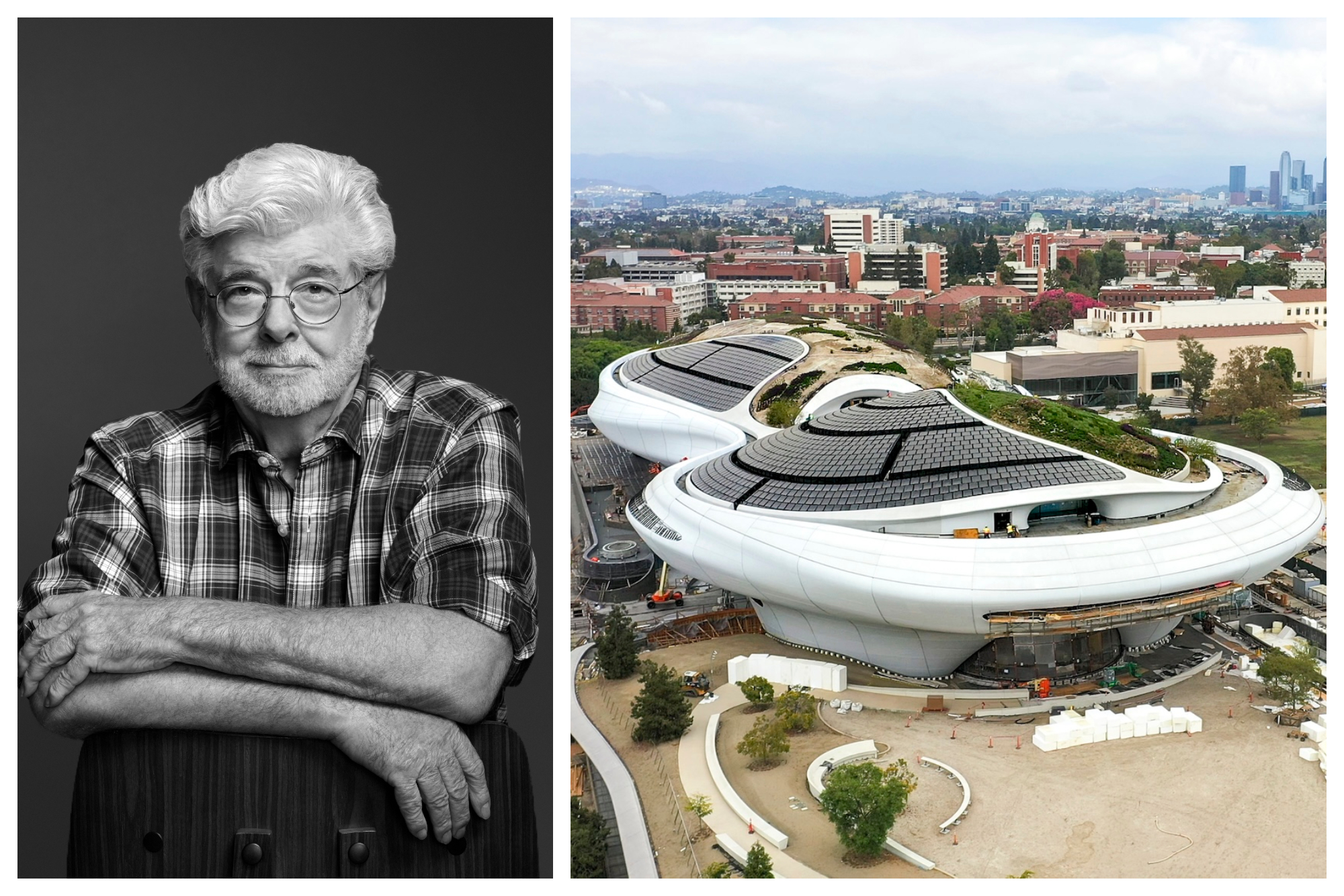
Located in Exposition Park, the museum opened to the public on September 22, 2026, welcoming visitors into a spectacular 300,000-square-foot building designed by architect Ma Yansong of MAD.
But what exactly is the Lucas Museum?
Despite being founded by Star Wars creator George Lucas, this isn’t simply a Star Wars museum.
The idea behind the museum is narrative art — the way humans have used images to tell stories, communicate ideas, create myths, and understand the world.
The collection spans thousands of years and includes paintings, illustrations, comic art, children’s book illustrations, photography, murals, science-fiction artwork, film-related works, and cinematic artifacts. The inaugural exhibitions feature more than 1,300 works across 30+ galleries.
And yes, there is Star Wars.
Visitors can see iconic cinematic artifacts and production artwork, but Star Wars is just one part of a much larger collection.
So, how does visiting work?
You can’t simply walk in whenever you want.
Everyone needs a timed-entry ticket — including members and children.
General admission is currently:
- Adults: $25
- Seniors 65+: $21
- Children 17 and under: Free
But a reservation is still required, even when admission is free.
And this is where things get interesting.
The museum’s opening day welcomed a sold-out crowd, and tickets have been in high demand.
What about membership?
The museum also introduced several membership levels, starting at $140.
Membership provides benefits such as priority ticket access, free admission for the member and designated guests, member previews, exclusive content, and other perks depending on the membership level.
For example, the higher tiers include invitations to special events and additional guest admission.
One important detail: being a member doesn’t mean you can simply show up without a reservation. Members still need to reserve a timed-entry ticket in advance.

Why is everyone talking about it?
Part of the excitement is obviously George Lucas.
But the museum is also offering something different from the traditional idea of an art museum.
It brings together things that many people already recognize and love — from comics and movie art to classic paintings, illustrations, and popular culture — and puts them into one larger story about how humans communicate through images.
And perhaps that’s the most interesting thing about the Lucas Museum:
You don’t have to be an art expert to understand the idea.
You just have to understand a story.
The Lucas Museum of Narrative Art is now open in Los Angeles. And if you want to visit, don’t forget to reserve your timed-entry ticket.
Plan your visit and check current ticket availability
Netflix Put a Man Inside a Billboard And Turned Sunset Boulevard Into Content
Some billboards are designed to be seen.
Others are designed to be talked about.
Netflix’s latest Sunset Boulevard stunt clearly belongs to the second group.
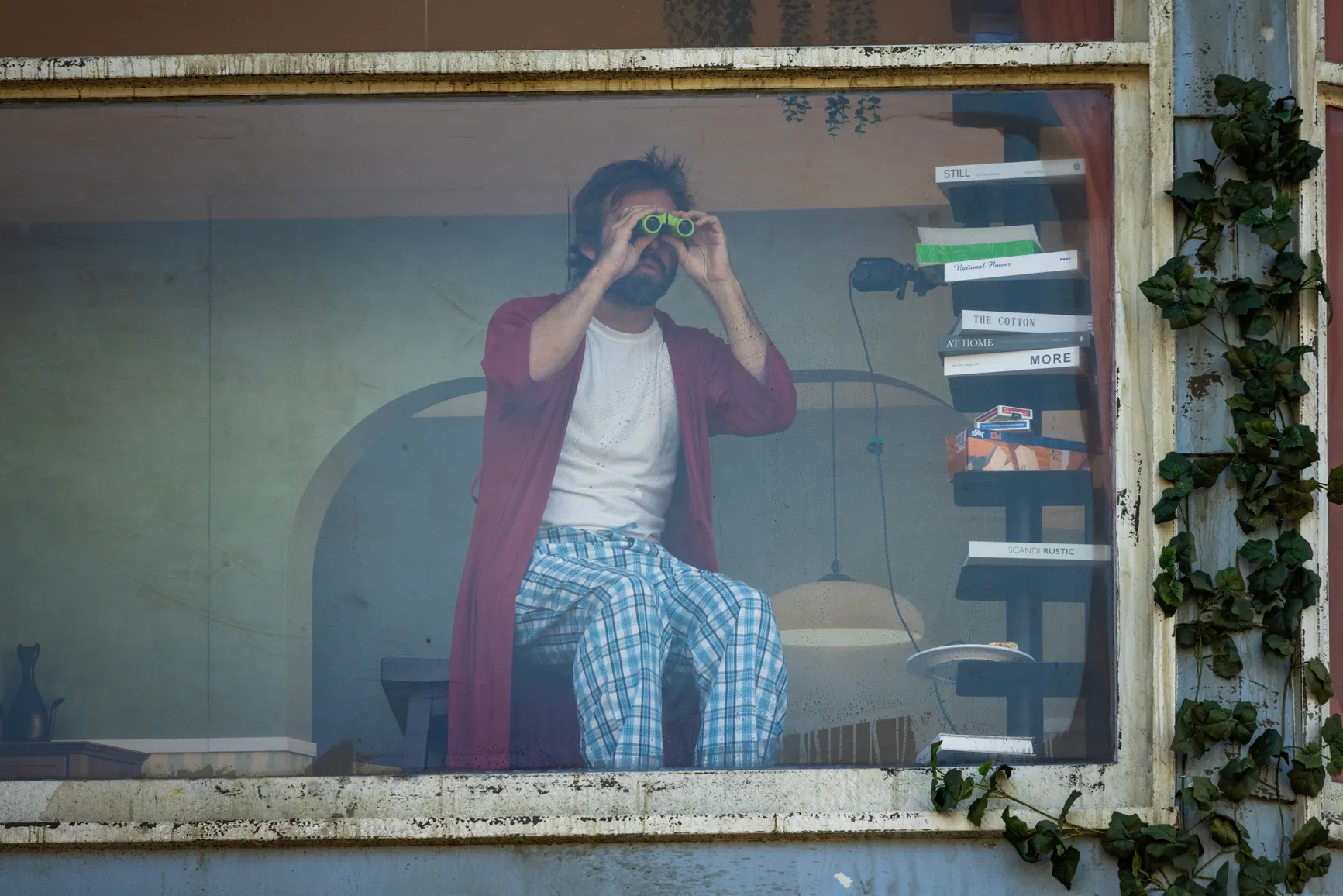
For three days, Netflix placed a man inside a furnished room built about 30 feet above the corner of Sunset Boulevard and Selma Avenue in Los Angeles. Wearing pajamas and a bathrobe, he lived inside the billboard, waved at commuters, and communicated with people below using a whiteboard.
Under the window was one simple question:
“How long can you survive?”
The installation promoted Netflix’s new sci-fi thriller The Last House, about a family suddenly sealed inside their home and forced to survive in isolation.
But what makes this campaign interesting isn’t just the billboard itself.
The Billboard Wasn’t the Media. The Stunt Was the Media.
A traditional billboard depends on traffic. People drive past it, see the message, and hopefully remember it.
Netflix created something people wanted to photograph, film, share, and talk about.
The physical billboard became social media content, news coverage, conversation, and publicity.
One outdoor placement suddenly created multiple layers of media.
Netflix Didn’t Explain the Movie. It Made People Experience the Idea.
Instead of using a standard movie poster with actors, a title, and a release date, Netflix translated the movie’s main concept into real life.
You see a man trapped inside a room.
You don’t immediately know why.
You start asking questions.
Who is he? Is he really staying there? Why is he inside a billboard? What exactly is Netflix promoting?
That curiosity leads you directly to the movie.
The advertising happens after the curiosity—and that makes it much more powerful.
A Real Person Made It Almost Impossible to Ignore.
We’re surrounded by digital screens, 3D billboards, and AI-generated visuals.
But seeing an actual person living above Sunset Boulevard creates a completely different reaction:
Wait… is that guy really up there?
The bathrobe, binoculars, and handwritten messages turned a static billboard into a live performance.
Every time someone passed, something different could be happening.
That unpredictability gave people a reason to look again.
The Campaign Was Built for Both the Street and the Phone.
Great outdoor advertising today has two audiences: the people physically passing it and the people who will later see it through social media.
Netflix designed this perfectly.
A strange room.
A real person.
A simple question.
A concept you understand in seconds.
It works just as well in an Instagram Reel as it does on Sunset Boulevard.
The result is a powerful marketing loop:
Outdoor → Social Media → PR → Conversation → Streaming
The Biggest Lesson for Brands
People rarely share advertisements simply because they are advertisements.
They share stories, surprises, and experiences.
Netflix didn’t just buy billboard space.
It created a story people wanted to tell.
And that may be one of the most important questions for brands today:
Instead of asking,
“What should our ad say?”
ask,
“What can we create that people will want to talk about?”
That’s when advertising starts becoming culture.
At RACOOB, we help brands turn ideas into strategies, identities, products, and campaigns designed to stand out and be remembered.
If you’re ready to create something people talk about—not just scroll past—
Let’s create a brand that matters.
Message us at RACOOB.
What Is GEO?
What Is GEO? Why Brands Need to Prepare for the Age of AI Search
For years, a brand’s online success was measured by one thing: its Google ranking. The higher, the better. But that equation is changing fast.
The End of the Click Era
Today, a large share of users no longer scroll through ten blue links on Google. They ask tools like ChatGPT, Perplexity, or Google’s AI Mode a direct question and get a ready-made answer — without clicking through to any website at all. According to recent data, roughly 68% of US Google searches now end without a click to any website.
That means the rules of the game have changed. The question is no longer “how do we rank #1?” It’s “how do we get the AI to name us as the answer?”
GEO stands for Generative Engine Optimization, the evolved, AI-era version of SEO, built for a world where AI engines synthesize one answer and cite a small handful of sources they trust instead of returning a list of links. Out of the vast sea of content available, these engines identify a limited set of sources as “trustworthy” and pull only from those.
SEO’s goal was to be seen in the results. GEO’s goal is to be named in the answer.
What Kind of Content Gets Cited?
AI engines aren’t interested in generic, keyword-stuffed content. They look for specific, first-person, credible material. For example, a real, first-person review or demo is exactly the kind of specific material an answer engine reaches for. Interestingly, YouTube has now overtaken Reddit as one of the strongest signals feeding AI search authority.
What This Means for Your Brand
If your business wants to be found online, a beautiful website is no longer enough. You need to become the specific, credible, citable answer an AI reaches for when responding to a question. In practice, that means:
- Real case studies instead of generic portfolio pieces. Instead of just showing an image, explain what the client needed, what solution was delivered, and what the result was.
- A first-person, expert voice instead of generic marketing copy. Your real experience and voice carry more credibility than broad marketing slogans.
- A narrow, specific focus instead of broad claims. The more precise and specialized your content, the better your odds of being surfaced by AI engines.
- Clear, extractable structure. Headers phrased as real audience questions, along with short, direct paragraphs, are easier for AI engines to pull from.
- A presence beyond your own website. Short-form, first-person video content on YouTube and LinkedIn is now recognized as a trusted source.
SEO Isn’t Dead, It’s Just Not Enough Anymore
This doesn’t mean abandoning traditional SEO. Meta descriptions, clean site structure, and fast load times still matter for the smaller share of users who do click through. But GEO is a new, necessary layer on top of it.
The brands that understand this shift early and rebuild their content to be citable, not just rankable, will be the ones whose industry actually hears them in the years ahead.
How RACOOB Can Help
At RACOOB, we don’t see branding as just a logo or a campaign, we see it as building an identity that’s recognizable and trustworthy, which is exactly what AI engines are looking for too. Our team helps brands:
- Redesign their content strategy to show up in AI-generated answers
- Redefine their brand voice and messaging to be credible and distinct
- Restructure website, social, and case-study content to be well-organized and citable
If you want to know where your brand stands in the world of AI search, and how to strengthen it, reach out to the RACOOB team today.
Seedance2, Higgsfield, and Grok: Why Human Strategy Must Lead the AI Revolution in Marketing
The digital marketing landscape is experiencing unprecedented acceleration. With groundbreaking AI platforms like Seedance2 (now Sora), Higgsfield, and Grok reshaping content creation at lightning speed, businesses across every industry—from local cafes to global manufacturers—are racing to integrate these powerful tools into their branding and advertising campaigns.
But here’s the critical question every business leader must ask: In this rush toward AI-powered efficiency, are we losing the very thing that makes brands matter—authentic human connection?
At RACOOB Marketing Agency, we’ve witnessed firsthand how the most successful brands navigate this transformation. The fundamental truth remains: machines can generate outputs, but only humans can define meaning.
The Promise and Peril of Next-Generation AI Tools
Seedance2 (Sora): Visual Storytelling at Scale
Seedance2’s evolution into Sora represents a quantum leap in video content creation. Restaurants can now generate compelling food videos, manufacturers can showcase complex products, and service providers can create explainer content—all without traditional production constraints.
Higgsfield: Democratizing Creative Production
Higgsfield’s approach to AI-powered creative workflows enables businesses of any size to produce professional-quality visual assets. The platform’s capabilities span from branding materials to comprehensive advertising campaign visuals.
Grok: Contextual Intelligence for Marketing
Grok’s sophisticated understanding of context and conversation enables more nuanced copywriting and customer communication strategies, particularly valuable for service providers building professional relationships.
The Speed Trap: When Efficiency Undermines Authenticity
These AI platforms offer undeniable advantages: unprecedented speed, cost-effective production, and scalable content creation. Yet through our work at RACOOB Marketing Agency, we’ve observed that businesses implementing these tools without human-centered strategy often discover a troubling reality—they’re producing more content but creating less connection.
The Missing Elements in Pure AI Marketing
While AI excels at pattern recognition and output generation, it fundamentally lacks:
- Lived experiencethat informs authentic branding
- Emotional memorythat creates meaningful customer connections
- Cultural intuitionessential for resonant marketing campaigns
- Personal valuesthat differentiate brands in crowded markets
- Human responsibilityfor long-term brand integrity
When businesses rely purely on AI automation—even sophisticated tools like Seedance2, Higgsfield, and Grok—they risk creating content that’s technically proficient but emotionally hollow.
Human-Led AI Integration: The RACOOB Approach
At RACOOB Marketing Agency, we don’t choose between human creativity and AI efficiency—we orchestrate them through our HumanCore Thinking™ methodology. The most successful marketing strategies of 2026 follow this proven sequence.
Starting with Human Foundation
Before deploying any AI tool, we help businesses establish human-centered foundations:
For Restaurants and Cafes:
- What authentic story brought your establishment to life?
- How does your food create genuine human experiences?
- What cultural connections does your cuisine represent?
For Manufacturers:
- What real problems does your product solve?
- How does your innovation improve human life?
- What values drive your company’s mission?
For Service Providers:
- What unique expertise do you bring to client challenges?
- How do you create measurable value for businesses?
- What relationships have shaped your professional approach?
Then Amplifying with AI Tools
Once human strategy is established, platforms like Seedance2, Higgsfield, and Grok become powerful amplifiers in our integrated approach:
- Seedance2/Sorascales authentic visual narratives across video content
- Higgsfieldmaintains consistent branding across all visual touchpoints
- Grokadapts core messaging for different platforms and audiences
The Competitive Advantage of Human-Led Marketing
Through RACOOB Marketing Agency‘s experience with diverse clients, we’ve identified why human-led branding creates sustainable competitive advantages in an increasingly AI-saturated marketplace:
Authentic Voice Over Algorithmic Output
Consumers intuitively recognize when content creation feels genuinely human versus artificially generated. Marketing campaigns that begin with authentic human insight create emotional resonance that drives loyalty beyond transactions.
Cultural Relevance Over Pattern Matching
AI tools like Grok excel at processing information
RACOOB Marketing & Branding Agency
Build Brands That Stand Out, Scale, and Sell
In today’s competitive market, businesses don’t just need visibility—they need clarity, positioning, and a strong brand foundation.
That’s exactly what RACOOB Marketing & Branding Agency delivers.
RACOOB helps businesses turn ideas into strategic, market-ready brands—designed not only to look good, but to perform, grow, and last.
What Makes RACOOB Different?
Most agencies focus on isolated services design, marketing, or content.
RACOOB takes a different approach.
It operates as a Brand, Product, and Business Development partner, aligning every part of your brand with your long-term goals.
This means:
- No random design decisions
- No disconnected marketing
- No wasted effort
Everything works together—strategically.
Our Core Services
Brand Strategy & Positioning
A strong brand starts with clarity.
We define:
- Your market position
- Your audience
- Your competitive advantage
So your brand doesn’t just exist—it stands out.
Brand Identity & Visual Systems
Consistency builds trust.
We create:
- Logo systems
- Visual identity
- Brand guidelines
Ensuring your brand looks professional and recognizable everywhere.
Product & Packaging Development
Your product is your brand physically.
We help you:
- Design products aligned with your brand
- Develop packaging that attracts and converts
- Increase perceived value through details
Because packaging is not just a box it’s a sales tool.
Marketing Strategy & Campaigns
Visibility without strategy is noise.
We build:
- Targeted marketing plans
- Campaign concepts
- Launch strategies
Focused on real results—not just impressions.
Content & Creative Direction
Strong brands stay consistent.
We guide:
- Content strategy
- Visual storytelling
- Creative direction
So your brand stays relevant and memorable.
Digital Experience & Growth
Your online presence is your brand experience.
We optimize:
- Website structure and messaging
- User experience
- Digital touchpoints
To turn visitors into customers.
The RACOOB Approach
At RACOOB, everything is built on three pillars:
1. Strategy First
Every decision is intentional.
2. Creativity With Purpose
Design is not decoration—it’s communication.
3. Real-World Execution
Ideas are only valuable when they work in the market.
HumanCore Thinking
In a world driven by AI and automation, RACOOB believes in staying human at the core.
Because real brands are built on:
- Emotion
- experience
- connection
Technology supports creativity—but never replaces it.
Who We Work With
RACOOB partners with:
- Startups building from scratch
- Growing brands needing clarity
- Product-based businesses launching new lines
- Companies ready to scale strategically
If you’re serious about building a brand—not just running a business—you’re in the right place.
Why RACOOB?
✔ Strategic + Creative thinking
✔ End-to-end brand development
✔ Deep focus on product and packaging
✔ Real business understanding
✔ Long-term partnership mindset
Build a Brand That Actually Works
A strong brand is not just seen, it’s remembered, trusted, and chosen.
RACOOB helps you create that.
👉 Contact us to build or grow your brand?
Visit: https://racoob.com
Let’s turn your idea into a brand that performs.
RACOOB GOODS, More Than Products, Closer to Your Feelings!
At RACOOB, we’ve always believed that great brands don’t just sell — they create a feeling. Now, it’s time to share more about one of our most exciting projects in progress: RACOOB GOODS.
Our slogan:
“I Thought About You”
This isn’t just a line, it’s a mindset.
A way of saying that every product begins with a person in mind… their taste, their needs, their lifestyle.
The story of RACOOB GOODS starts here:
With attention. With intention. With the belief that choices should feel more personal, more meaningful, and more distinctive.
Racoob Goods is being built for those who care about details, people who want what they choose to reflect who they are. For those who are constantly searching beyond the ordinary, looking for something different.
We’re carefully curating a collection of goods where each item carries thought behind it. Not just functional pieces, but products with character and purpose.
Racoob Goods is still in the making, but exciting things are coming soon.
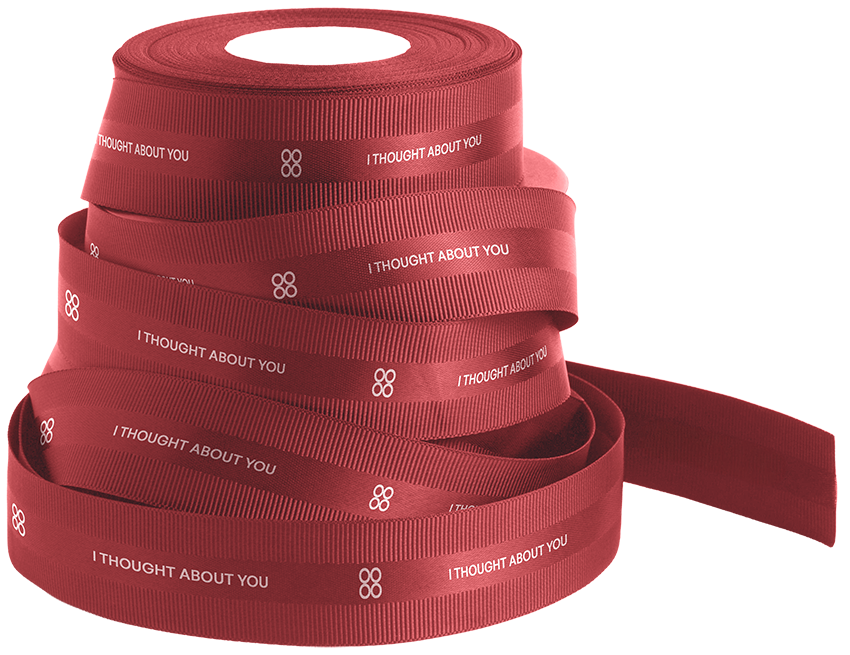
If you believe that choosing is more than just buying, you’ll want to be part of this.
More coming soon…
Is Email Marketing Still Effective in 2026? A Complete Guide for Businesses
In a world dominated by social media algorithms, AI advertising, and short-form content, many business owners ask a critical question: Does email marketing still work in 2026?
The answer is clear — email marketing is not only alive, but it remains one of the most powerful digital marketing strategies for sustainable business growth.
Why Email Marketing Is Still Important for Businesses
Unlike social media platforms where visibility depends on changing algorithms, email marketing gives brands direct and reliable access to their audience. Your email list is an owned marketing channel — one that no platform can take away.
This makes email marketing essential for:
- Building long-term customer relationships
- Increasing repeat purchases
- Promoting new products and services
- Driving consistent website traffic
- Strengthening brand loyalty
Businesses that invest in growing and nurturing their email list create a long-term communication asset that continuously generates value.
Email Marketing ROI: One of the Highest in Digital Marketing
Email marketing continues to deliver one of the highest returns on investment (ROI) among all digital marketing channels. While paid ads stop performing the moment budgets are paused, strategic email campaigns can generate engagement and revenue long after they are sent.
This makes email marketing highly effective for:
- E-commerce brands
- Service-based businesses
- Local businesses
- Personal brands
- Growing startups
Even a well-segmented small email list can produce powerful business results.
AI and Personalization Are Transforming Email Marketing
Modern email marketing is no longer about sending generic newsletters.
Today, brands use AI and marketing automation to:
- Segment audiences based on behavior and interests
- Personalize subject lines and content
- Optimize sending time for higher open rates
- Build automated customer journeys
- Recommend relevant products or services
These innovations make email marketing more targeted, efficient, and profitable than ever before.
Email Marketing Drives Customer Retention and Loyalty
Customer acquisition costs continue to rise across industries.
As a result, smart brands focus on retention and lifetime value.
Email marketing plays a critical role in:
- Customer onboarding experiences
- Loyalty and reward programs
- Product education
- Exclusive promotions
- Community engagement
Consistent presence in the inbox builds familiarity — and familiarity builds trust.
Why Some Businesses Think Email Marketing No Longer Works
Email marketing fails when strategy is missing.
Common mistakes include:
- Sending only promotional messages
- Providing no valuable or educational content
- Ignoring audience segmentation
- Using weak or unclear subject lines
- Poor mobile design
- Inconsistent communication
Successful brands treat email marketing as a relationship-building channel, not just a sales tool.
Final Thoughts: Is Email Marketing Still Worth It?
Absolutely.
In 2026, email marketing remains one of the most stable, scalable, and cost-effective marketing channels available.
Brands that invest in strategic planning, personalization, and creative execution will continue to see strong results — from increased engagement to higher conversion rates and long-term customer loyalty.
🚀 Ready to Turn Email Marketing Into a Revenue Channel?
If your business is not using email marketing strategically, you may be leaving significant growth opportunities untapped.
At Racoob, we help brands design powerful email marketing systems — from audience strategy and content planning to automation flows and performance optimization.
Whether you want to build your email list, improve open rates, increase repeat purchases, or create high-converting campaigns, our team can help you turn email marketing into a consistent growth engine.
👉 Contact us today to start building a smarter email marketing strategy for your brand.
👉 Visit: www.racoob.com
Hope Blooms. Freedom Arrives.
In memory of the people of Iran who gave their lives for freedom.
Through pain, hope still lives.
One day, this land will breathe freely again.

Nowruz is the Persian New Year, celebrated for more than 3,000 years in Iran and many other countries. It begins on the first day of spring, symbolizing renewal, hope, and new beginnings. Families clean their homes, wear new clothes, visit relatives, and prepare a special table called Haft-Seen, which includes symbolic items representing life and prosperity. Nowruz is not only a cultural celebration but also a time for kindness, unity, and positive change.
نوروز پیروز
۱۴۰۵
How a Short Oscars Sketch Became a Masterclass in Storytelling
In the attention economy, brands are not competing only with other brands — they are competing with entertainment, culture, and emotions.
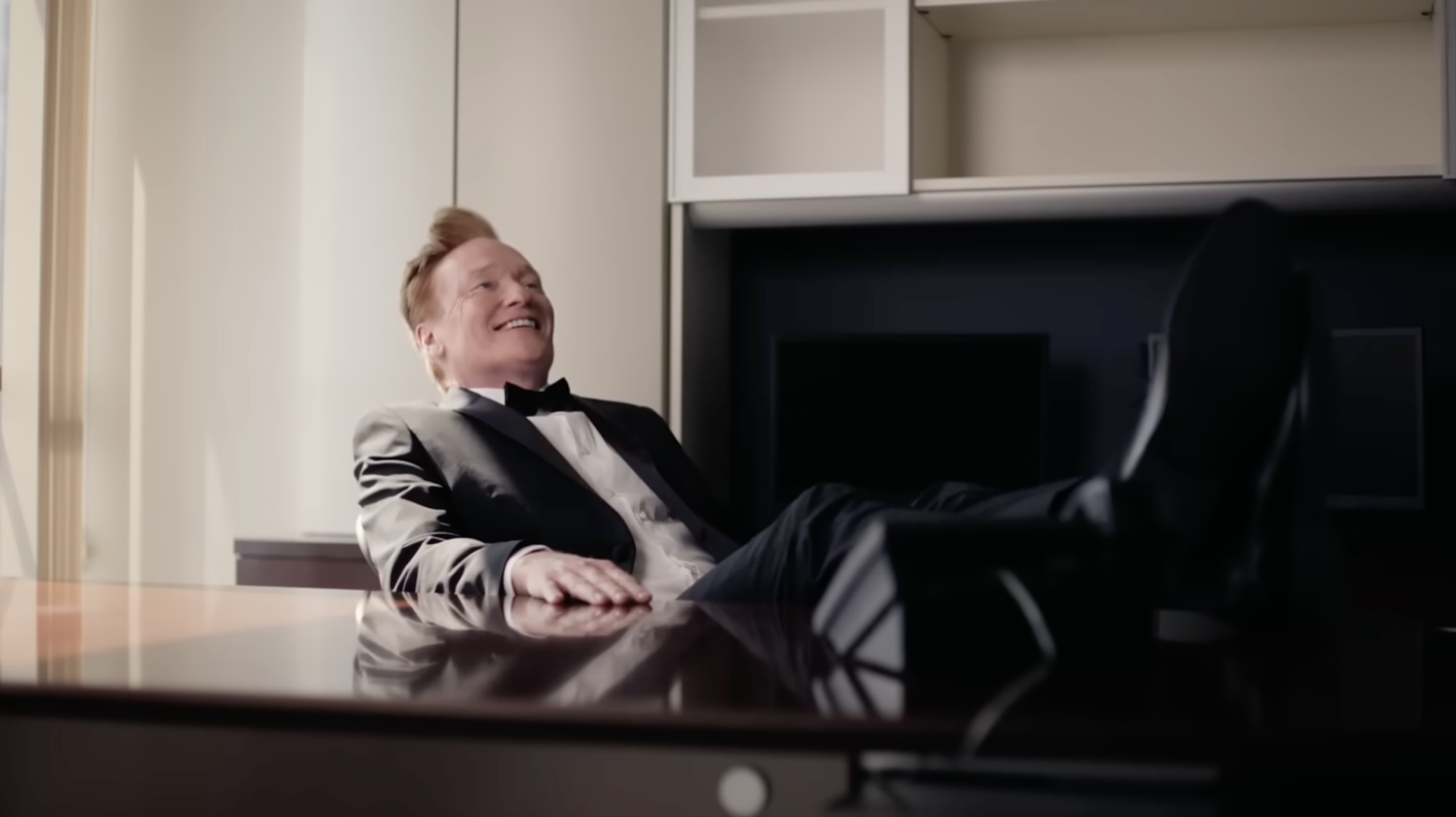
One of the most talked-about creative moments around the 2026 Oscars was a short comedic sketch inspired by the final scene of the film One Battle After Another.
It wasn’t a traditional advertisement.
There was no product pitch.
No direct call-to-action.
Yet it became memorable, shareable, and widely discussed.
Why?
Because it was built on storytelling.
The Power of Narrative Over Promotion
The sketch followed a simple but powerful narrative structure:
-
A positive promise (you’ve done such a great job — you’ll stay forever)
-
Subtle tension and unexpected signals
-
A cinematic twist
-
An exaggerated comedic resolution
This structure created emotional engagement within minutes.
Instead of delivering information, it delivered an experience.
This is one of the most important lessons modern brands can learn:
People rarely remember messages.
They remember stories.
Why This Moment Worked
1. It Used a Cultural Context
The sketch borrowed emotional equity from a film everyone was already talking about.
By connecting to a cultural moment, it instantly became relevant and timely.
For brands, this shows the value of contextual storytelling — aligning communication with what audiences are already feeling or discussing.
2. It Created Suspense and Curiosity
Great storytelling builds tension.
It allows the audience to anticipate, question, and emotionally participate.
This sketch gradually shifted from celebration to uncertainty, keeping viewers engaged until the final twist.
In marketing, this technique helps increase retention and shareability.
3. It Delivered a Memorable Twist
Unexpected endings create strong cognitive impact.
They force the brain to reprocess the story and make it easier to recall later.
For brands, a smart twist can turn simple content into viral content.
4. It Prioritized Experience Over Selling
There was no aggressive branding or promotional messaging.
Instead, the focus was on entertainment and emotional connection.
Modern audiences resist obvious advertising — but they willingly engage with meaningful experiences.
What Brands Can Learn From This
Build Stories, Not Just Campaigns
A campaign may generate impressions.
A story generates memory.
Brands that want long-term relevance must think like storytellers — creating arcs, characters, tension, and resolution.
Design Emotional Touch points
Whether through video, packaging, events, or digital interaction, brands should aim to create moments that audiences feel, not just see.
Emotional design increases recall, loyalty, and word-of-mouth.
Connect With Cultural Moments
The most powerful marketing often happens when brands participate in real-time cultural conversations.
This requires awareness, agility, and creative courage.
Surprise Your Audience
Predictability leads to invisibility.
A thoughtful unexpected element — humor, contrast, or narrative shift — can dramatically increase attention and memorability.
Final Thought
The Oscars sketch proved that even a few minutes of well-structured storytelling can create lasting impact without traditional advertising tactics.
For brands navigating an overcrowded digital landscape, the message is clear:
If you want to be seen, communicate.
If you want to be chosen, provide value.
But if you want to be remembered — tell a story.
At Racoob, we help brands turn ideas into meaningful narratives — building experiences that connect emotionally and stay in the audience’s mind.
If you’re ready to move beyond promotion and start building memorable brand stories, let’s talk.
The Power of “No-Brand” Branding: Why Simple Design Wins Customer Trust
In a marketplace filled with loud logos, complex packaging, and aggressive advertising, some of the most successful brands are choosing a radically different path.
They design products that are simple, quiet, and almost anonymous.
Brands like MUJI have built global recognition not by shouting their identity, but by removing visual noise and focusing on quality, function, and emotional clarity.
This approach is often misunderstood as “minimal design.”
In reality, it is a deep strategic branding decision.
For modern businesses, understanding this strategy can unlock powerful opportunities in product development, packaging, retail experience, and long-term brand positioning.
What Is “No-Brand” Branding?
“No-brand branding” does not mean the absence of brand.
It means branding through values instead of visuals.
Instead of relying on large logos, bold graphics, or trend-driven aesthetics, these brands communicate through:
-
product quality
-
material honesty
-
functional design
-
neutral visual language
-
consistent experience
The product itself becomes the message.
Customers are not persuaded by status signals.
They are convinced by trust, usability, and quiet confidence.
The Strategic Philosophy Behind Simple Design
1. Simplicity Reduces Friction
Every additional decorative element adds:
-
production complexity
-
higher costs
-
visual distraction
-
potential inconsistency
When brands simplify design intentionally, they create:
-
faster decision-making for customers
-
stronger perceived clarity
-
easier scalability across product lines
Minimal design is not about being “empty.”
It is about being precise and intentional.
2. Quality Becomes the Core Brand Asset
When logos and graphic storytelling are reduced, product quality becomes the primary differentiator.
This forces brands to focus on:
-
better materials
-
thoughtful ergonomics
-
durability
-
practical innovation
Customers begin to associate the brand with reliability rather than image.
Over time, this builds deep brand equity based on performance.
3. Neutral Design Creates Global Relevance
One of the most powerful advantages of simple, logo-free products is universal appeal.
Neutral aesthetics travel well across:
-
cultures
-
demographics
-
lifestyle segments
-
retail environments
This makes expansion easier and reduces the need for constant visual redesign.
Instead of chasing trends, brands create timeless utility.
4. Anti-Status Positioning Attracts Modern Consumers
Today’s consumers are increasingly aware of over-consumption and artificial premium positioning.
Many are looking for brands that signal:
-
authenticity
-
sustainability
-
mindfulness
-
transparency
“No-brand” design communicates these values without needing to state them explicitly.
It creates emotional relief in a noisy commercial environment.
5. Experience Replaces Logo Recognition
Successful simple brands invest heavily in environmental branding and customer experience.
They build recognition through:
-
consistent store layouts
-
material palettes
-
packaging systems
-
product organization
-
calm retail atmospheres
Customers recognize the brand not by a logo on the product —
but by how the brand makes them feel.
This is a more sophisticated and durable form of identity.

The Business Benefits of Minimal Branding
Companies that adopt this strategy can gain:
Stronger Perceived Value
Simple design often signals confidence and maturity.
Customers interpret minimalism as intentional premium positioning.
Lower Production Waste
Reducing unnecessary components supports both sustainability goals and cost efficiency.
Clear Product Architecture
When design language is consistent and restrained, product ecosystems feel more organized and scalable.
Longer Product Lifecycles
Timeless aesthetics reduce the need for constant redesign and rebranding.
Deeper Customer Loyalty
Trust built through quality and usability creates repeat purchase behavior.
Why This Strategy Is Growing in 2026 and Beyond
Digital overload, fast fashion cycles, and aggressive advertising have created a new consumer mindset.
People are no longer only buying products.
They are buying clarity.
Simple brands represent:
-
mental calm
-
lifestyle balance
-
intentional consumption
-
long-term value
In this environment, quiet brands often outperform louder competitors.
Because when everything screams for attention,
the brand that whispers becomes memorable.
How Businesses Can Apply the “No-Brand” Strategy
You do not need to remove your logo completely to benefit from this philosophy.
Instead, consider:
-
simplifying packaging structures
-
reducing visual clutter
-
prioritizing material storytelling
-
building consistent product systems
-
designing retail or digital experiences that feel calm and structured
-
focusing marketing narratives on function and purpose
Minimal branding works best when strategy, product design, and customer experience are aligned.
It is not a visual trend.
It is an operational mindset.
Final Thought
The future of branding is not always louder campaigns or bigger logos.
Sometimes, the strongest brands are those confident enough to let their products speak quietly.
Businesses that understand this shift can build brands that feel:
-
more honest
-
more human
-
more relevant
-
and more sustainable in the long term
At Racoob, we help companies design brand systems where simplicity becomes a competitive advantage — from product and packaging strategy to customer experience and market positioning.
Because in modern markets, clarity is no longer minimal.
It is powerful.